How to Be a Successful Blogger
A lot of people online have started blogging. If you want to get into the business of blogging, you just need to learn the tricks of successful bloggers — and that’s exactly what this post is designed to do for you.
Becoming a successful blogger is not an easy job. You have to follow some experienced bloggers and determine what is making them successful in this field.
Slowly and steadily you will gain the skills of successful blogging. All you need to do is gather all your strength and vision for a beautiful, successful future in blogging. Here are some amazing tips to run a successful blog:
1. Always Write Something Different on Your Blog
Ever wondered why some blogs are not successful, while others thrive? The reason successful blogs stand out is that they present something unique and different in every post.
You either must have a compelling style of writing or cover topics from a fresh angle. To be blunt, your blog must stand out from the crowd. Come up with a genuine idea as to why you want to start all this.
Consider all these ideas before starting a blog. Once you have written down all your notes, start with a unique blog title that is catchy and trendy. The difference is in all the differences you can present on your blog. Show a different trend, and you too shall see success.
2. Think of Your Readers and How They Interact With You
Think about who you are going to write your blog for.
A key point to remember is those who are following you and why you are going to blog. You never have to lose sight of this major point, no matter how successful a blogger you become. Before starting a blog, ask yourself how people will interact with you and how well you will engage the audience toward your blog.
Pay strict attention to the small details and back-end of your blog business.
Try to understand your analytics in order to see success in the future. Just think about what your audience wants from you and what they want to see. Try to pen down all these important points before having an initial start.
3. Connect Your Blog to Facebook and Instagram
Your blog must not only be connected to your website — it must also be connected to social media sites like a Facebook page and Instagram account. Posting to social media is one of the quickest ways to gain success and build your brand name.
Unsuccessful blogs are fizzing out because they are not connected to social media.
Just about the whole world is connected through social media. You can interact with different groups, pictures, and pages which are simple and very, very effective.
Loads of high traffic can sustain your blog without a problem. So get started with the most convenient and easiest way to blog.
4. Examine Yourself
Examine yourself before creating your blog. Just because something seems right for you, it can be entirely different for somebody else.
This has to be thought out carefully and strategically. Engage yourself with your brand. Present yourself as much as possible because you are going to be the face of your blog.
If your followers see you better, they will better follow your blog. Enhance your personal style according to the latest trends with a twist of something unique that is new for someone following you. So be witty and smart to get the best audience online.
5. Write Quality Blog Content
The most important, engaging part of a successful blog is writing high-quality content for your audience. If you’re writing and posting an article, uploading a picture, or sharing a video, be sure you are posting your very best.
Start mastering the way you write. Improve your writing style by checking all sorts of flaws, make your blog searchable, so that more and more people will find your blog when they look for it. The better content you post, the better your blog will be found through different search engines.
6. Be Yourself, and Show Your True Personality
When you’re growing your blog, always show your true personality. This is the best way to present yourself on your blog — showcase who you really are. This is the key to making your blog different.
Be genuine and don’t imitate other people. Want to see your blog be outstanding? Show who you really are.
7. Add a Unique Twist on Your Blog’s Topic and Content
It’s almost impossible to write an original topic and blog about it. Your primary goal should be to always create innovative content and put a unique spin on all the topics you’re blogging about.
Be a unique blogger and individual using your own personality. To make your blog different from others is to incorporate your knowledge, voice, and personality into your blog. This is the best way to be different from other bloggers.
Another tip to be different is by including proprietary information, publishing extremely timely facts or research, or by incorporating your own unique thoughts, ideas, perspective, or expertise into each of your blog entries.
Research how other bloggers are writing similar content, and then use innovative ways to make it better or in a more unique, attention-getting, and memorable way. You’ll want to keep constant tabs on what your competition is doing, plus stay up-to-date on trends happening within the blogosphere.
Another important strategy for creating and publishing a successful blog is to develop content that isn’t readily available elsewhere in the blogosphere or on the web. The more unique and innovative your content and the better you target your audience, the easier it will be to build a following with many followers.
8. Post New Content on a Consistent, Daily Basis
To build and maintain a steady audience, regularly add new content to your blog. Every new blog entry should cater to your blog’s target audience, and offer content that’s valuable to keep your visitors engaged.
For your blog to be successful, remain on the topic and cater to the wants, needs, and expectations of your target audience. Develop a clear understanding of who your audience is, then adjust your focus as trends and demands change over time.
Once you get in the habit of posting new content, it’s very important to maintain that schedule, so plan accordingly and don’t be overly excited and in a rush. Take your time writing excellent, engaging, important content. You’ll do better with your readers promising new content only once a week, as opposed to promising new content daily and not being able to deliver that content.
9. Always Keep Your Blog’s Look and Content Professional
Maintain a professional image, despite the subject matter or your readers. The images and overall design of your blog should always be professional, easy to read, and easy to understand.
Also proofread your work carefully to avoid or correct any errors. Spelling mistakes or grammatical errors in your blog take away from your credibility and make your blog appear unprofessional, and make you seem like an amateur.
10. Using Keywords
Do you know what keywords you’re targeting?
This is what to document: A list of 5–10 keyword groups you want to rank for and their associated long-tail keywords you can include in your blog content.
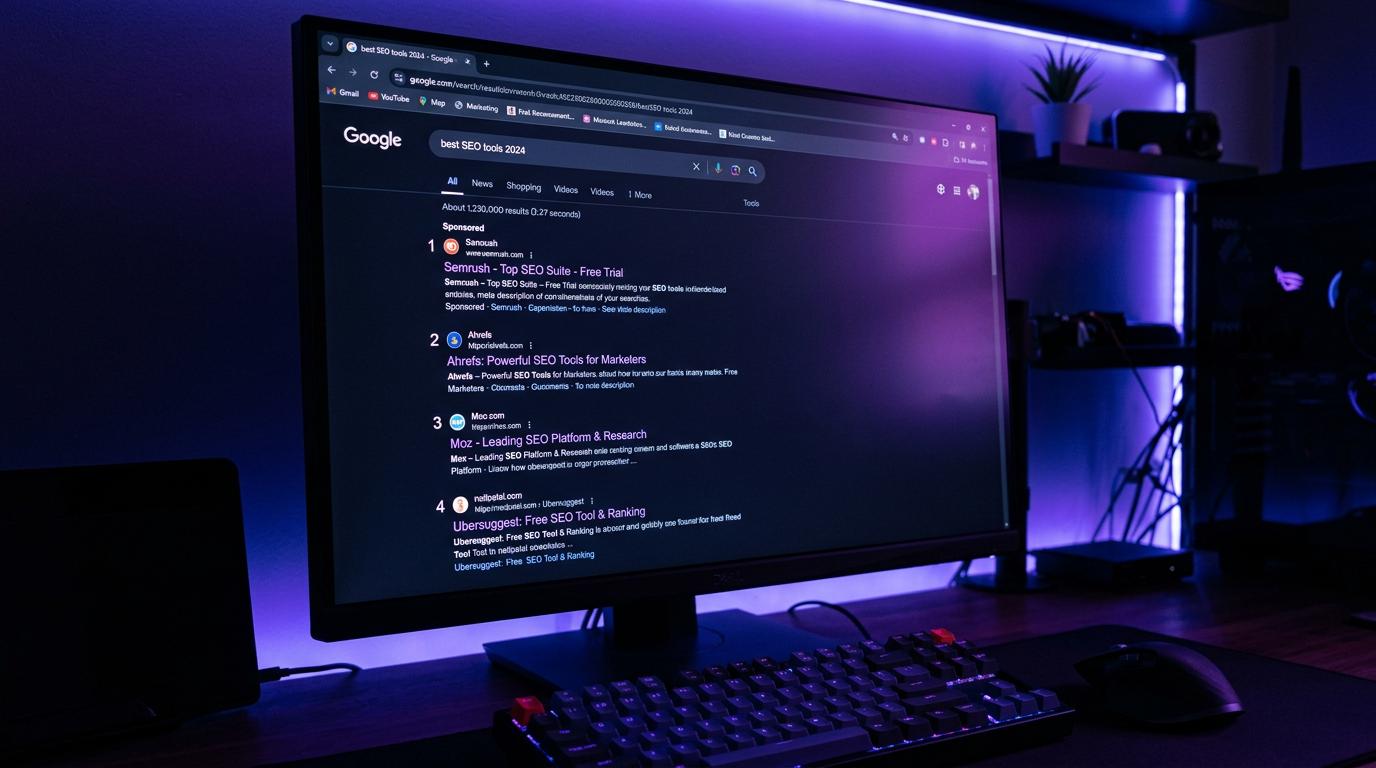
The keywords let the search engines determine what your content is all about. When one of your customers searches for a specific phrase, you want them to find your blog (or web page), not a competitor’s. But what are your potential customers searching for? You’ll need to dedicate some time researching which keywords they tend to type into search engines, and then including those keywords in your blog posts.
Just remember: Google’s algorithm is constantly changing and is becoming more and more intuitive — and old tactics like keyword stuffing will hurt your ranking nowadays. Instead, marketers are better off writing copy that engages humans first, and search engines second.
11. Get in the Rhythm
How many blog posts can you commit to scheduling?
What to document: Look at an editorial calendar and decide on the number of blog posts you can commit to schedule every week.
Your priority is creating a blogging rhythm and publishing that in an editorial calendar. It’s not about frequency — it’s about creating accountability. This keeps you focused and makes sure that every blog is optimized for keywords, CTAs, and is developed and scheduled on time. This gives you a consistent stream of blog content that your readers can get in sync with.
Your editorial calendar should be designed to align with the rest of your blog strategy. I like to incorporate the specific promotional tactics, goals, and resources required for each individual blog post.
12. Do You Have to Be a Great Writer?
You don’t need to be an expert writer to write a blog. But you do need to make sure that what you write is:
- Easy to understand
- Free from typos
- Relevant to your subject
If you’re not sure about your writing skills, make sure what you lack there is made up for with epic knowledge about your subject.
13. Set a Blogging Goal
If you want to be successful blogging and actually be great at it — short term and long term — then you need a goal for your blog.
This is a key point you want to achieve with your blog that you can look at to measure and determine your success.
Start by setting a goal for the end of these three months.
Now your goal is completely personal to you and the niche you’ve chosen. It’s also really dependent on how far into your blogging journey you are.
Here’s one piece of advice: Don’t set a money goal.
Don’t get me wrong, money is a great way to measure your success. But when you’re first starting out it makes you blog with the wrong end-goal in mind.
Because instead of connecting and adding value to your audience, you focus more on filling your wallet. Big no-no in the beginning.
It also means that if you don’t make your first $5 in your first few days, you’re likely to quit.
Instead set a goal around growth:
- Total email subscribers
- Social shares to a post
- Number of comments
- Page views
Because when all of these elements grow, they eventually lead to money in your back pocket — and you’ll learn more on how to generate income later.
Once you’ve set your goal, write it down and keep it somewhere that you can see it. Not only for motivation, but because it will help you make better decisions down the line too.
14. Determine Who Your Competitors Are
If you’re in a profitable blog niche, your blog will have competitors. A great place to start is by looking at who your own target audience is.
Very simple — do a Google search for the topics you cover and note which blogs consistently appear in the results. Those are the sites competing for the same readers you want.
15. Getting Traffic to Your New Blog
Traffic is an important part of the blogging game. Why? Because you need those people on your page for your blog to have any impact on people. And it’s by far the best topic in internet marketing.
And if you have a new blog… you’re going to need it.
Yep — you got that right; people pay you, not page views. So for your first 3 months you’re not going to look at the volume of traffic, you’re going to look at quality.
Only because it’s better to attract fewer people who will actually buy from you, than more people who won’t.
Now let’s look at how to get quality, sustainable traffic.
The 4 Methods of Getting Quality Traffic
There are 4 always-effective ways of building traffic to your blog:
- SEO
- Guest blogging
- Distribution
- Podcasts and interviews
But I’m going to focus on just two of them: guest blogging and distribution.
These are — from my experience and the experience of the blogs I write for — the two most effective ways to start building traffic to your blog in the beginning.
Mastering Guest Blogging
In recent months you might have seen a rise in people throwing their laptops in the air and screaming: “Guest blogging is dead!”
But it’s not, so don’t worry. It’s still one of the most powerful tools you can use to grow your blog. You just have to know how to do it right.
If you’re not sure what guest blogging is, it’s putting your content on someone else’s site, so you can tap into their audience (and traffic streams).
Let’s look at some of the benefits of it:
- Traffic
- Authority
- Network
- Subscribers
And they’re all benefits your blog could use, right?
OK, let’s look at how you can do it.
Finding and Contacting a Blog
Earlier we talked about finding out who all your competitors are, didn’t we? You found them and made a note of their high-performing content.
Those are the blogs you’re going to pitch.
So here’s what you do. Look around their site and look for a “Contact” or “Write for me” page.
If you feel a little intimidated by writing for these bigger blogs — which is normal at first — just work your way through your list of competitors until you find one you’re comfortable with… and then work your way up again.
Once you’ve done that, you need to come up with some content ideas.
Pitching to Other Blogs
This is the make-it-or-break-it moment of getting featured on someone else’s site.
This is like the first 10 seconds when you walk into a job interview — this is where the person you’re contacting decides if you’re a good fit for their blog, or not.
No pressure, right?
To be honest, pitching to a blog is super-simple:
- Use an honest headline: “Guest post opportunities?”
- Explain who you are and why you’re writing: “I’m Chris and I’m writing to see if you have any space in your calendar for guest posts?”
- Share your content ideas: “[X] Reasons You Should Do [Y] For [Z]”
- Sign off confidently: “Thanks for your time and I look forward to hearing back from you”
Warning: Make sure you have something on your blog.
Don’t make the mistake of writing to a blog without anything on your blog for them to look at.
That doesn’t have to be blog posts, mind you. It could be a:
- Landing page with sign-up form
- Landing page with free eBook download
- Under construction page
- Bio or portfolio page
If You’re Successful and Get a Spot…
When you get a guest post spot, make sure it’s your best quality work you can produce. Then go above and beyond, and bend over backward from what you’d normally write.
Why you say?
Because you want this person’s engaged audience to fall in love with you, so that you get comments.
This will put you in an excellent position for people to want to click back through to your site, check out your blog, and maybe join you and be an active reader on your blog too.
Key: Go the extra mile to:
- Respond to comments
- Share the post
Not only does this strategy keep the blog owner happy, but this gets you a lot of exposure too.
Once you’ve done all of that: wash, rinse, repeat until you start getting a solid flow of traffic.
Content Distribution
This is done after you’ve written and published your blog post. This is where the fun begins… posting.
When you’re just starting to blog you’ll have to do a lot of legwork to get traffic. Why? Because people aren’t just going to come to your blog just because it’s there.
You have to go out there and get them to come to your blog.
This is where distribution comes in!
Like everything else that has to do with blogging — this will depend on you, your niche, and your audience, heck even your personality. People will see your personality right through your blog.
Example: if your blog is based in an arts and crafts niche, then it’s probably better suited for Pinterest.
16. Investing in Your Blog
You have to spend money on your blog — at least on a domain name.
The more you invest in your blog, the more you should get out of it.
17. Add in Free Stuff
If you haven’t already developed a free product, you can give away free ebooks as a start to your readers. Now will be the time. You can create a simple ebook based on some of your most popular posts or a short email course with the information your readers need most.
Time to Monetise Your Blog
The final part of all of this — and the biggest reason for starting a blog — is making money from it. This shouldn’t be what your goal revolves around, but it’s a nice option to have.
I’m sure you like money, right?
OK, now there are tons of ways for you to monetise your blog, but our focus is just on the first three months to see what’s most effective, and what needs to be tweaked.
OK, so where should you start, you ask? Don’t worry, I got your back.
We’re going to look at three methods so you can get your blog running off the ground and monetise from day one:
- Product reviews
- Amazon affiliates
- Your own products and services
Product Reviews
This is no doubt the simplest way to monetise your blog. And you could start doing it within minutes of setting up your blog.
Amazon Affiliates
This is a very easy way to create an income on your blog. All you need is an Amazon Affiliate account and a PayPal account.
The products you can sell are infinite, but they have to be relevant to your niche.
But you can sell:
- Books
- Industry-specific products
- Quirky and novelty goods
- Blog post-specific products
You can sell just anything that fits your niche and what you’re blogging about.
Simple to set up. Simple and easy to do. If you play your cards right with content, you’ll have a nice little money maker.
Your Own Products and Services
Is there something you feel you can bring to the table better than any of your competitors?
Turn it into a product.
Whether it’s:
- Freelance consulting
- Coaching
- Mentoring
- eBooks
- Video courses
- Freelance services (like writing)
You Ready? Get Set… Blog!
Phew!
You’ve made it to the end. How do you feel now with all this valuable content?
This has been a very long post and there is a lot of information for you to take in. And you might need to bookmark it and come back to it a couple of times over to understand it all and get everything done.
But I hope you’ve learned exactly how to start a successful blog and make money in the next 90 days.
Either way, if you follow this system your first three months will set you up for long-term blogging success no matter what your niche is.
I hope you’re as inspired with a new mindset and attitude to blogging as I am.