A recommendation from someone your customers already follow is worth more than any ad you could buy — because it arrives with borrowed trust. That’s the entire mechanism behind influencer marketing, and it’s why brands keep spending on it even as ad-blindness gets worse every year.
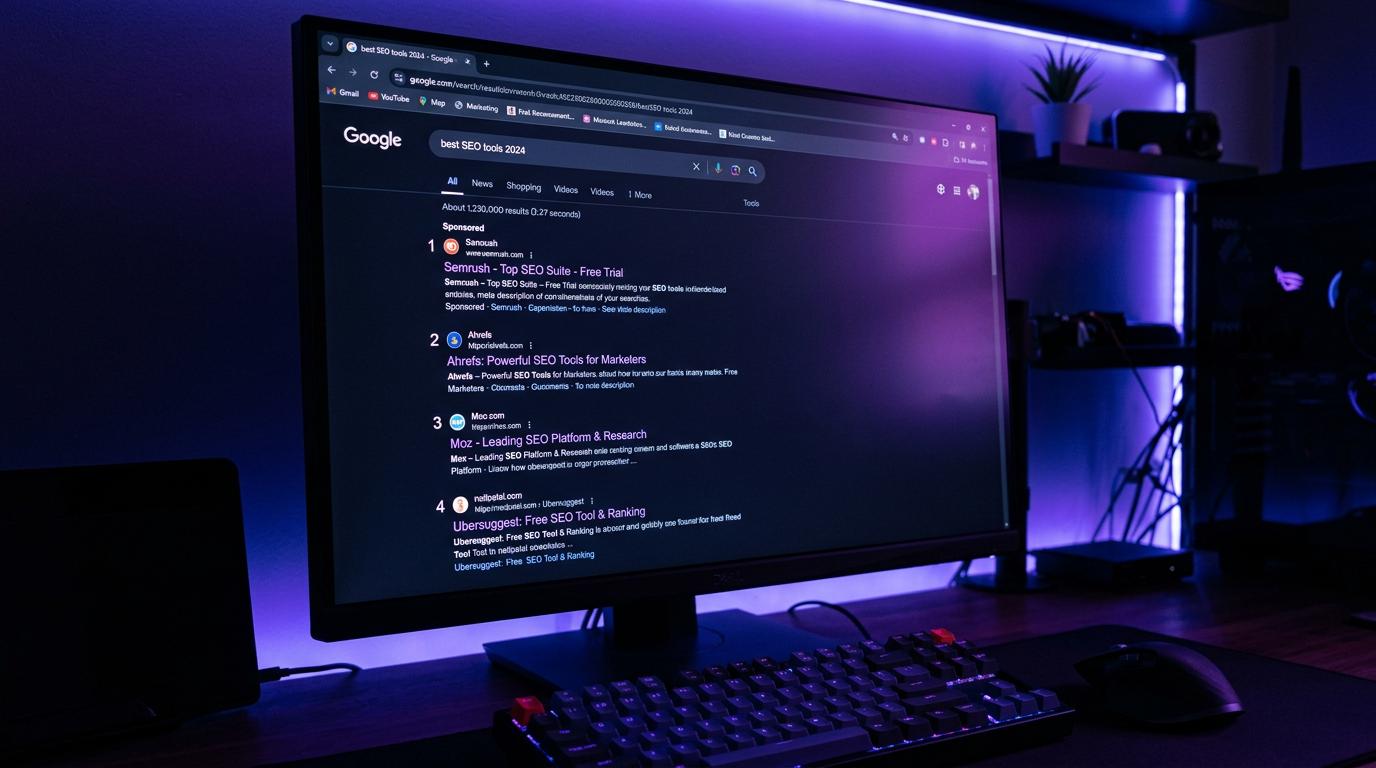
It’s also easy to do badly. Pick creators by follower count, script their posts, run one campaign, and you’ll conclude the channel “doesn’t work” — after paying tuition for the lesson. This guide is the beginner’s route around those mistakes: choosing the right creators, structuring deals fairly, and measuring what the money actually bought. Pair it with SEO for the long-term visibility that influencer spikes alone won’t give you.
What Is Influencer Marketing and Why It Works
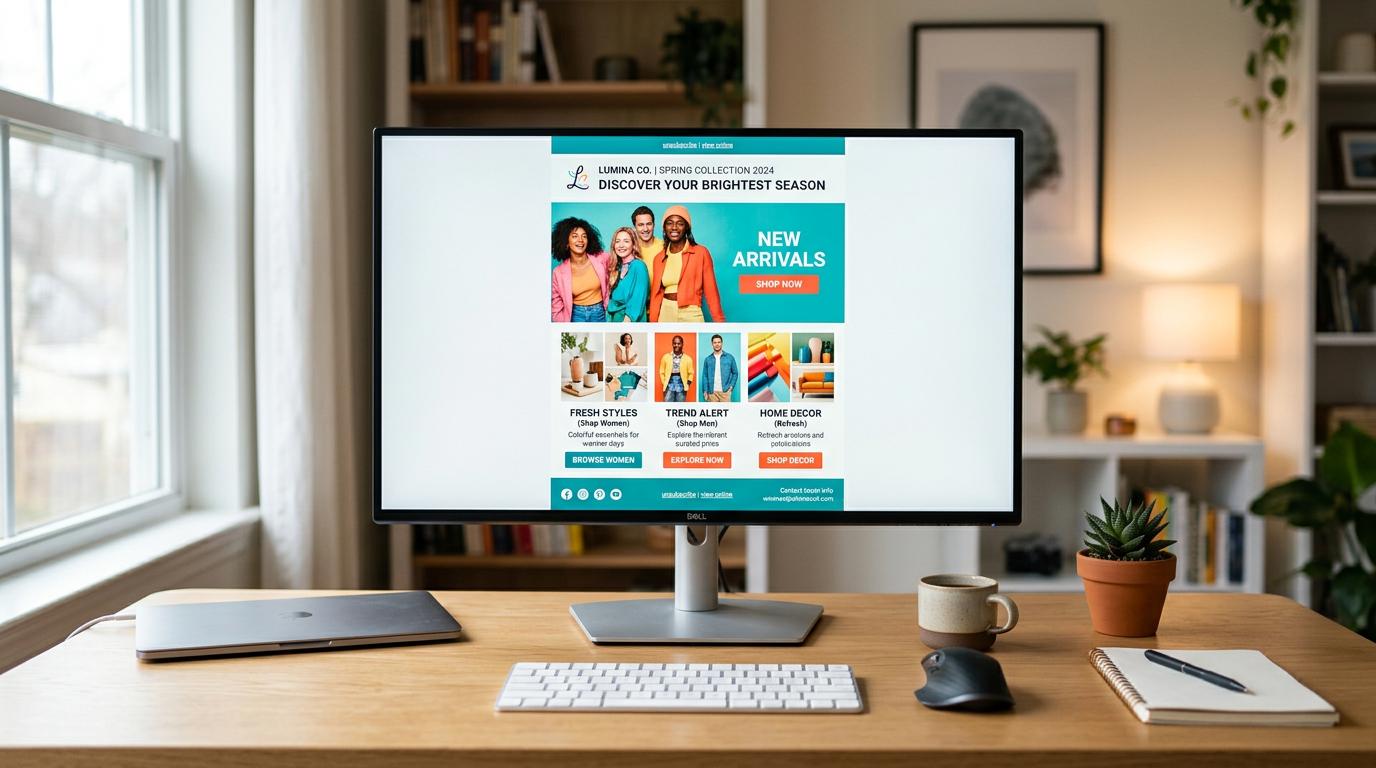
Influencer marketing is a form of social media marketing that involves partnerships between brands and individuals who have established credibility, authority, and a dedicated following in specific niches. Many brands combine influencer outreach with email marketing to convert new audiences into loyal customers.
The Psychology Behind Influence
To understand why influencer marketing works so effectively, we need to look at the psychology:
Social proof is one of the most powerful motivators in human behavior. When we see others — especially people we admire — using and enjoying a product, we’re naturally inclined to trust that recommendation. It’s why reviews, testimonials, and word-of-mouth have always been so effective.
Authority and expertise play crucial roles too. When a fitness influencer recommends workout gear, their audience trusts that recommendation because the influencer has demonstrated expertise in that area. Their endorsement carries weight because it’s backed by perceived knowledge and experience.
Parasocial relationships — the one-sided bonds audiences form with influencers they follow — create a sense of friendship and trust. Followers feel like they know the influencer personally, making recommendations feel like advice from a friend rather than advertising from a corporation.
The Numbers Don’t Lie
The effectiveness of influencer marketing is backed by impressive statistics:
- 92% of consumers trust influencer recommendations over traditional advertising
- Influencer marketing delivers an average ROI of $5.78 for every $1 spent
- 49% of consumers depend on influencer recommendations for purchase decisions
- 71% of marketers rate the quality of customers from influencer marketing as better than other channels
Types of Influencers
Not all influencers are created equal. Understanding the different types helps you choose the right partners for your goals and budget.
Nano Influencers (1K-10K followers)
Nano influencers are everyday people with small but highly engaged followings. While their reach is limited, their engagement rates are typically the highest in the industry — often 8-10% compared to the 1-3% average for larger accounts.
Pros: Highly engaged audiences, authentic relationships, affordable partnerships, high trust levels Cons: Limited reach, may lack professional content creation skills Best for: Local businesses, niche products, authenticity-focused campaigns, tight budgets
Micro Influencers (10K-100K followers)
Micro influencers have built dedicated followings around specific niches — whether that’s sustainable fashion, home fitness, vegan cooking, or digital marketing. Their audience follows them specifically for their expertise in that area.
Pros: Strong niche authority, high engagement rates (4-8%), cost-effective, authentic content Cons: Smaller reach than macro influencers, may have limited experience with brand partnerships Best for: Targeted campaigns, niche products, building credibility in specific communities
Macro Influencers (100K-1M followers)
Macro influencers are established personalities who have built significant audiences. They often have professional content creation capabilities and experience working with brands.
Pros: Large reach, professional content quality, established brand partnership experience Cons: Lower engagement rates (1-3%), higher costs, may feel less authentic Best for: Brand awareness campaigns, product launches, reaching broad demographics
Mega Influencers (1M+ followers)
Mega influencers are typically celebrities, athletes, or internet personalities with massive followings. They offer unparalleled reach but come with significant costs.
Pros: Massive reach, celebrity status association, guaranteed visibility Cons: Very high costs, lowest engagement rates, potential authenticity concerns Best for: Major brand campaigns, mass market products, maximum visibility
Finding the Right Influencers for Your Brand
The success of your influencer marketing campaign hinges on partnering with the right people. Here’s how to find them.
Define Your Goals
Before searching for influencers, clarify what you want to achieve:
- Brand awareness: Focus on reach and impressions
- Engagement: Prioritize influencers with high engagement rates
- Conversions: Look for influencers whose audience matches your customer profile
- Content creation: Partner with influencers known for high-quality content
Manual Research Methods
Hashtag research: Search relevant hashtags on Instagram, TikTok, and Twitter to find influencers creating content in your niche. Look for consistent, high-quality posts with genuine engagement.
Competitor analysis: See who your competitors are working with. This can reveal influencers who are already interested in your industry and have audiences that might love your brand too.
Audience exploration: Look at who your existing customers follow and engage with. Their interests can guide you toward relevant influencers.
Influencer Research Tools
Several tools can streamline your search:
- AspireIQ: Comprehensive influencer discovery and campaign management
- Upfluence: Database of millions of influencers with detailed analytics
- BuzzSumo: Find influential content creators in your niche
- Modash: Instagram and TikTok influencer analytics platform
- Heepsy: Advanced search filters for finding specific types of influencers
The “Vibe Check”
Beyond metrics, conduct a qualitative assessment:
- Does their content align with your brand values?
- Do they already use or mention products similar to yours?
- Is their engagement genuine (meaningful comments vs. generic emojis)?
- Does their audience demographics match your target customer?
- Have they worked with competing brands recently?
Building Successful Partnerships
Finding the right influencer is just the beginning. Building a successful partnership requires clear communication, mutual respect, and well-defined expectations.
Outreach Best Practices
Your first impression matters. When reaching out to influencers:
Personalize your message — Reference specific content they’ve created and explain why you think they’re a great fit for your brand. Generic template messages get ignored.
Be clear about expectations — Outline what you’re looking for, what you’ll provide, and what the compensation structure looks like. Transparency builds trust from the start.
Offer value beyond money — Some influencers care about exclusive access, early product launches, or long-term partnerships. Understand what motivates them.
Respect their time — Influencers receive countless brand requests. Keep your initial message concise and make it easy for them to respond.
Compensation Models
Influencer compensation varies widely based on follower count, engagement rates, content type, and usage rights. Common models include:
- Flat fee per post: Most common structure, ranging from $100 for nano influencers to $10,000+ for macro influencers
- Free products: Common for nano and micro influencers, especially for physical products
- Affiliate commissions: Influencers earn a percentage of sales generated through their unique links or codes
- Performance-based: Payment tied to specific metrics like clicks, sign-ups, or sales
- Retainer agreements: Monthly fees for ongoing content creation and posting
Contracts and Agreements
Always formalize partnerships with a written agreement that covers:
- Deliverables (number of posts, stories, videos)
- Timeline and content deadlines
- Approval process and revision rights
- Usage rights (how long you can use their content)
- FTC disclosure requirements
- Exclusivity clauses (if applicable)
- Payment terms and conditions
Creating Effective Campaigns
A well-planned campaign sets clear expectations, provides creative direction, and allows influencers the freedom to create content that resonates with their audience.
Set Clear Campaign Goals
Define specific, measurable objectives before launching:
- Increase brand awareness by X% among target demographic
- Generate X website visits from influencer content
- Achieve X conversions (sales, sign-ups, downloads)
- Create X pieces of reusable content
- Grow social following by X%
Develop Campaign Messaging
Provide influencers with:
- Key talking points about your product or service
- Your brand’s unique value proposition
- Any specific features or benefits to highlight
- Creative guidelines (while leaving room for their authentic voice)
- Examples of content you love (and don’t love)
Content Types and Formats
Different content types serve different purposes:
Instagram Feed Posts: Polished, evergreen content that showcases your product beautifully. Great for brand awareness and aesthetic alignment.
Instagram Stories: Casual, behind-the-scenes content that feels immediate and authentic. Perfect for limited-time offers and real engagement.
Instagram Reels: Short-form video content with high discoverability potential. Excellent for reaching new audiences.
TikTok Videos: Highly creative, trend-driven content that can go viral. Ideal for younger demographics and product demonstrations.
YouTube Videos: Long-form content allows for detailed reviews and tutorials. Great for complex products and building deep trust.
Blog Posts: Written content provides SEO benefits and in-depth product coverage. Perfect for detailed reviews and comparisons.
Measuring ROI
To justify your influencer marketing investment, you need to track the right metrics and calculate your return on investment accurately.
Key Performance Indicators
Reach metrics: Impressions, reach, video views — show how many people saw your content Engagement metrics: Likes, comments, shares, saves — indicate how the audience interacted Traffic metrics: Website clicks, landing page visits — measure audience interest Conversion metrics: Sales, sign-ups, downloads — show actual business impact Content metrics: Number of pieces created, quality scores, reuse potential
Tracking Methods
- UTM parameters: Add tracking codes to URLs to identify traffic sources in Google Analytics
- Unique discount codes: Give each influencer a specific code to track their direct sales
- Affiliate links: Use trackable links that attribute conversions to specific influencers
- Brand mention tools: Monitor social media for organic mentions and sentiment
Calculating ROI
ROI = (Revenue Generated - Campaign Cost) / Campaign Cost x 100
Remember to factor in both direct revenue and indirect benefits like content creation value, brand awareness lift, and audience growth.
Common Mistakes to Avoid
Learning from others’ mistakes can save you time, money, and frustration.
Prioritizing Follower Count Over Engagement
A macro influencer with 500K followers and 1% engagement reaches fewer engaged people than a micro influencer with 50K followers and 8% engagement. Always prioritize engagement rate and audience quality over raw follower numbers.
Ignoring Fake Followers
The unfortunate reality is that some influencers have purchased followers or engagement. Warning signs include:
- Extremely low engagement rates (below 1%)
- Generic, repetitive comments (lots of “Nice!” and fire emojis)
- Sudden, unexplained spikes in follower growth
- Disproportionate follower-to-following ratios
Use tools like Social Blade to analyze growth patterns and engagement authenticity.
Being Too Controlling
Brands sometimes make the mistake of scripting every word influencers say. This destroys the authenticity that makes influencer marketing effective in the first place. Provide guidelines and key messages, but trust influencers to communicate with their audience in their own voice.
Neglecting Long-Term Relationships
One-off posts rarely deliver optimal results. Building ongoing relationships with influencers creates:
- Stronger audience trust (repeated endorsements carry more weight)
- Better content quality (influencers understand your brand deeply)
- More favorable rates (long-term partners often offer better pricing)
- Consistent brand presence in the influencer’s content
Your First Campaign, Sized Sensibly
Don’t start with a five-figure macro-influencer deal. Start like this:
- Find three nano or micro creators whose comment sections sound like your actual customers.
- Offer a simple, fair deal — product plus a modest fee — and give them creative freedom within clear guidelines.
- Give each one a unique discount code or UTM link so you can see exactly what came back.
- After thirty days, drop what didn’t work and go deeper with whoever did. Long-term partnerships with proven creators beat a parade of one-off posts every time.
Your first campaign will teach you more than any guide can, including this one. The goal isn’t perfection — it’s a measurable result you can build the second campaign on.
Want to learn more strategies for building your brand? Check out our branding services and comprehensive training programs designed specifically for online entrepreneurs.